Discover Beacon Paving Contractor for expert paving solutions for driveways, parking lots, and roadways
Discover Beacon Paving Contractor for expert paving solutions for driveways, parking lots, and roadways
Blog Article
Trustworthy Pavement Contractor for Sturdy Driveways and Roads
Selecting a reliable asphalt specialist is essential for creating durable driveways and roads. Careful choice ensures longevity and quality in asphalt work. Factors such as credentials, customer feedback, and technical knowledge greatly influence the outcome. Understanding the nuances of pricing and aftercare can additionally improve the selection procedure. As homeowners evaluate their choices, several key aspects demand careful evaluation to obtain a acceptable expenditure. What should they emphasize in their quest?
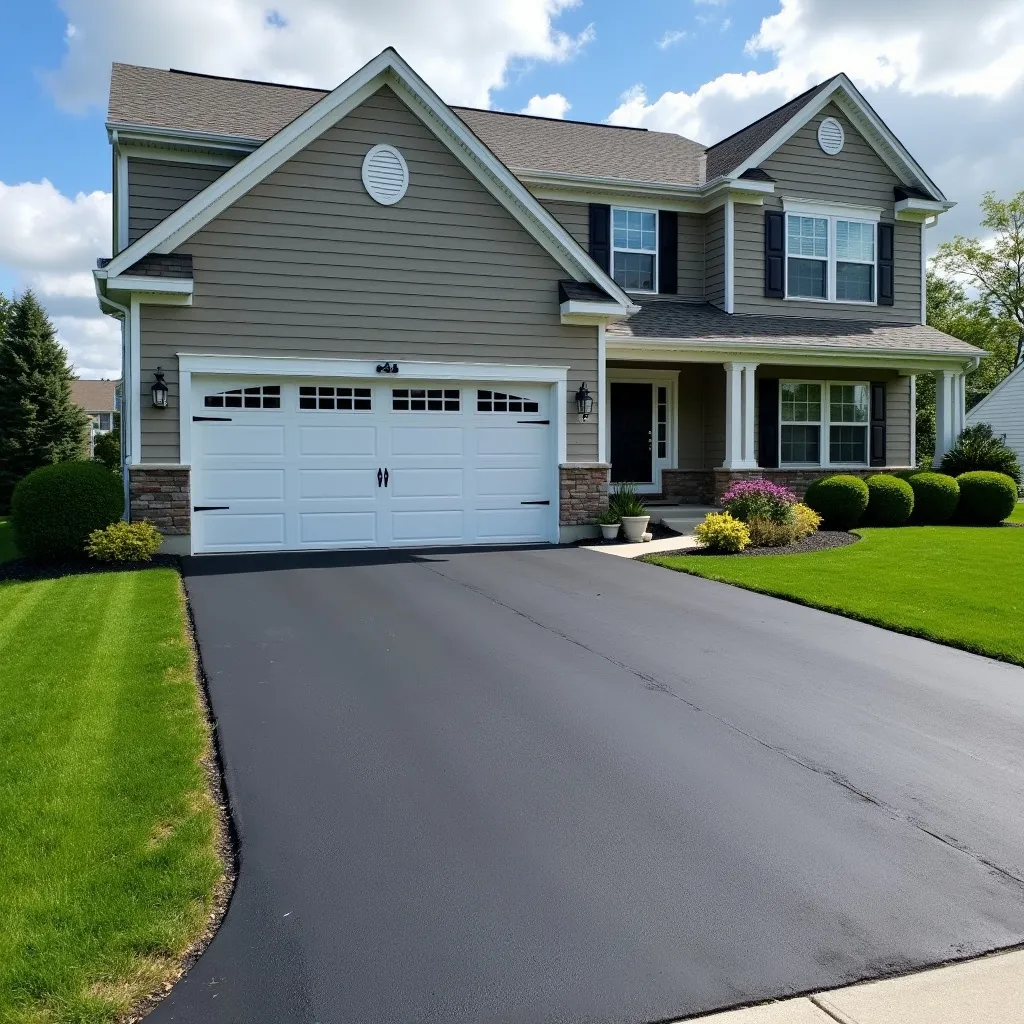
Guide to Identifying an Qualified Paving Contractor
When determining an professional paving contractor, one might wonder what key factors to appraise. First, it is paramount to check the contractor's credentials, including licenses and indemnification, to substantiate compliance with local regulations and assurance against liabilities. Next, reviewing client endorsements and past project portfolios can supply comprehension into the contractor's quality of work and reliability.
Moreover, collecting multiple estimates can help you to assess the going price for services and spot any problem areas, like exceptionally low bids. Proficiency in specific paving types, such as residential driveways or commercial parking lots, is an additional consideration because expertise usually leads to better outcomes. Communication are also needed; a contractor must be attentive and willing to address any questions or concerns. Finally, evaluating warranties provided can signal the contractor’s certainty in their work and their dedication to customer satisfaction.
Best Materials for Your Driveway
When determining materials for a driveway, homeowners commonly compare the positives and negatives of asphalt and concrete. Each option presents distinctive traits that can affect durability and cost. Additionally, gravel supplies a more affordable alternative but comes with its own set of benefits and drawbacks.
Asphalt vs. Concrete Decisions
Which material offers the superior balance of durability and cost for driveways: asphalt or concrete? Asphalt is often preferred for its lower primary cost and rapid assembly. It generally supplies a flat exterior that can withstand harsh climatic situations, positioning it a realistic alternative for many householders. However, asphalt requires routine servicing, comprising sealing and resurfacing, to maintain its lifespan.
Similarly, concrete is noted for its permanence and basic maintenance obligations. With proper installation, concrete driveways can stand over 30 years. Also, concrete affords a array of design options, encompassing decorative finishes. While the initial expenditure is steeper, the reduced maintenance needs can make it a economical answer over time. Ultimately, the determination is determined by individual wants and financial capacity.
Gravel Pros and Weaknesses
While asphalt and concrete are popular choices for driveways, gravel also presents a viable option with its own set of benefits and disadvantages. One major advantage of gravel is its cost-effectiveness; it generally requires a smaller initial expenditure compared to asphalt and concrete. Additionally, gravel offers superior drainage, minimizing the risk of water pooling. However, it is not without its challenges. Gravel driveways can require regular maintenance, such as occasional replenishment and raking to maintain an even surface. Furthermore, they may pose issues with erosion and can be less stable for busy areas. Ultimately, the choice to choose gravel should consider both its affordability and the homeowner's willingness to invest in continuous upkeep.
Reviewing Customer Comments: What to Look For
In what ways can potential clients discern the quality of a paving contractor through customer reviews? Evaluating these reviews requires careful attention to specific factors. First, clients should look for overall ratings; a high average score often indicates satisfactory service. Next, the number of reviews is vital; a larger collection provides a more reliable picture of the contractor's performance.
Clients should also examine the details of individual reviews. Positive input about timeliness, dialogue, and work quality is fundamental. Additionally, recurring observations in negative reviews, such as lacking customer service or project delays, can denote potential issues.
Moreover, comments from the contractor to reviews reveal their professionalism and commitment to client fulfillment. Lastly, consider reviews from various platforms to get a complete perspective. By focusing on these aspects, potential buyers can make informed choices concerning their paving contractor.
Essential Inquiries You Should Address With Your Paving Contractor
When choosing a paving contractor, raising key inquiries can meaningfully change the ultimate result. It is important to question the years of professional involvement and the range of projects they have accomplished. Understanding their method for handling materials and techniques can also contribute knowledge about the standard of output to expect.
Prospective clients should inquire regarding licensing and insurance to guarantee the contractor meets legal requirements and is safeguarded from potential liabilities. Additionally, discussing the timeline for project completion and any potential delays is crucial.
Asking about warranties on both supplies and workmanship can protect the financial commitment. Finally, it's beneficial to ask for references or examples of prior work to evaluate the contractor's dependability and craftsmanship. These questions not only define expectations but also establish a foundation for effective communication throughout the assignment.
Driveway Costs: What You Should Understand
Understanding surface expenses is essential for homeowners reviewing a initiative. Diverse variables, such as type of materials and costs, markedly shape the overall expense. Likewise, considering sustained advantages can help in establishing well-considered choices about pavement projects.
Elements Modifying Asphalt Prices
Numerous factors influence paving costs, making it essential for property owners to grasp the variables at play. One principal aspect is the size of the area to be paved; larger spaces typically incur higher costs due to increased material and labor requirements. Additionally, site conditions, such as soil quality and drainage, can affect pricing, as extensive preparation may be needed. Local labor rates also play an important role; areas with a higher cost of living often have elevated labor expenses. Moreover, the complexity of the project, including intricate designs or existing structures, can lead to added costs. Finally, seasonal read the full story factors may influence pricing, as contractors often adjust rates based on demand fluctuations throughout the year.
Material Options and Price
Different paving options greatly impact driveway expenses, with each providing unique benefits and price ranges. Asphalt, known for its affordability and rapid installation, usually costs from $3 to $5 per square foot. Concrete, while more durable, can run between $4 and $8 per square foot, depending on finish and thickness. Pavers, made from brick or stone, provide aesthetic appeal but typically span from $10 to $20 per square foot, with installation. Additionally, permeable paving options, which facilitate water drainage, may be more expensive due to their specialized materials and installation techniques. Homeowners should consider these options carefully, balancing initial costs with desired longevity and performance requirements for their driveways and roads.
The Impact of Coverage Plans and Maintenance Support
In choosing a dependable paving contractor, the importance of warranties and maintenance services should not be dismissed. Warranties function as a shield for customers, guaranteeing that any problems in materials or workmanship are remedied without additional costs. A reputable contractor usually extends an comprehensive warranty that reflects their assurance in the quality of their work.
Beyond warranties, aftercare services constitute an vital role in maintaining the longevity of concrete installations. Consistent maintenance, such as seal coating and crack filling, can circumvent more substantial harm and costly repairs down the line. A contractor that delivers continuous care exhibits a commitment to client happiness and the resilience of their work.
Thus, protection plans and ongoing care not only enhance the value of the upfront cost but also guarantee tranquility for homeowners and businesses alike. A reputable contractor stresses these considerations, establishing trust and long-term relationships with clients.
Frequently Asked Questions
What timeframe Should You anticipate for the driveway paving?
The asphalt laying procedure usually requires one to three days, based on the project's size and complexity. Factors such as weather, ground readiness, and material selection can also affect the overall timeline considerably.
How Do Weather Elements Influence Paving Operations?
Climate conditions substantially affect paving work. Rain, snow, and extreme temperatures can delay projects, while humidity levels impact the curing process. Ideal conditions, typically dry and mild, provide better adhesion and durability of the pavement.
How Do I Maintain My Recently Installed Driveway?
Maintaining a new driveway requires regular cleaning, applying sealant periodically, and repairing cracks quickly. Preventing excessive weight and employing proper snow clearing methods will also prolong its lifespan and maintain its look.
Are there eco-friendly paving options accessible?
Indeed, diverse sustainable paving solutions exist, including permeable pavers, reclaimed asphalt, and alternative concretes produced from sustainable materials. These options work toward minimizing environmental burden while delivering useful and long-lasting finishes for paths and driveways.
Do I Have to Get a Authorization for Paving Projects?
Permits may be necessary for pavement installation, based on local ordinances. Homeowners should reach out to their municipal planning department to ascertain particular needs, securing adherence and steering clear of potential financial penalties or timeline interruptions during the construction phase.
Report this page